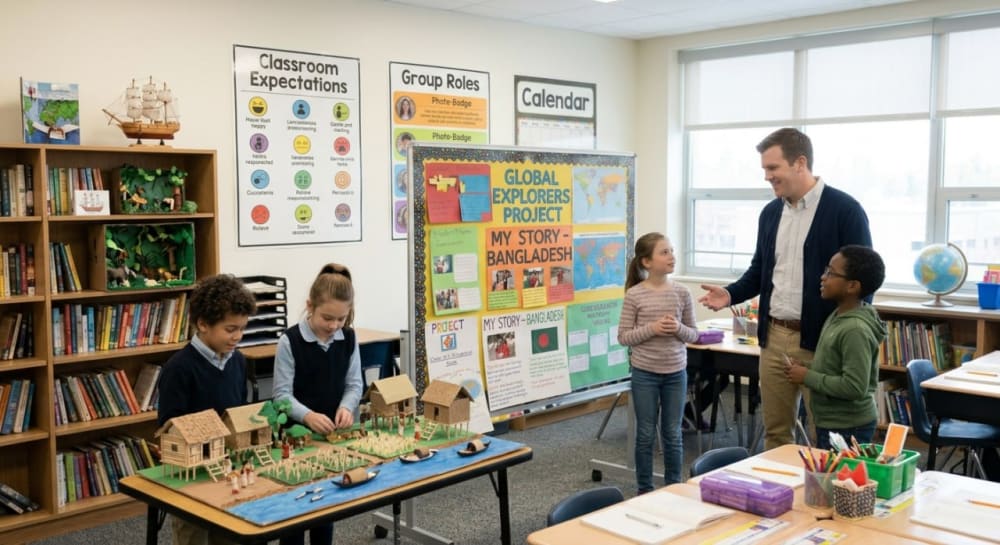
Managing a classroom can be one of the most challenging responsibilities for teachers. Every student has a unique personality, learning style, and emotional background. While some students follow instructions easily, others may struggle with maintaining focus, respecting classroom rules, or interacting positively with their classmates. These challenges can affect the entire learning environment if they are not addressed appropriately. Understanding and applying classroom management strategies for difficult students can help teachers create a positive, supportive, and productive classroom where every child has an opportunity to succeed.
1. Understand the Reasons Behind Student Behavior
Before addressing challenging behavior, teachers should try to understand why it occurs. Some students may act out because they are struggling academically, experiencing emotional difficulties, seeking attention, or having trouble communicating their needs. Others may find it difficult to concentrate or adjust to classroom expectations.
Instead of immediately punishing inappropriate behavior, teachers should observe patterns and identify possible triggers. Understanding the underlying reasons makes it easier to choose an effective response and provide meaningful support.
2. Establish Clear Classroom Rules and Expectations
Students need clear guidelines to understand what is expected of them. Teachers should establish simple, age-appropriate classroom rules at the beginning of the school year. These rules should explain acceptable behavior, respect for others, participation, and responsibility.
It is also helpful to involve students in creating classroom expectations. When children participate in setting rules, they often feel more responsible for following them. Teachers should consistently reinforce these expectations so students understand that rules apply equally to everyone.
3. Build Positive Relationships With Students
A strong teacher-student relationship can make a significant difference in classroom behavior. Students are generally more willing to cooperate with teachers who listen to them, respect their opinions, and show genuine interest in their progress.
Teachers can build trust by greeting students warmly, remembering their interests, recognizing their achievements, and providing individual attention when needed. Even a brief conversation can help a struggling student feel valued and understood.
4. Use Positive Reinforcement
Positive reinforcement encourages students to repeat desirable behaviors. Instead of focusing only on mistakes, teachers should recognize improvements, cooperation, and responsible actions.
For example, teachers can offer verbal praise, classroom privileges, achievement certificates, or additional responsibilities to students who demonstrate positive behavior. Recognition should be sincere and specific. Saying, "I appreciate how you waited patiently for your turn," is more meaningful than simply saying, "Good job."
This approach helps students understand which behaviors are appreciated and motivates them to make better choices.
5. Maintain Consistency and Fairness
Consistency is essential for successful classroom management. If teachers respond differently to the same behavior every day, students may become confused about classroom expectations.
Teachers should establish reasonable consequences for inappropriate behavior and apply them fairly. Consequences should be related to the behavior and focus on helping students understand responsibility rather than creating fear or embarrassment.
For example, a student who disrupts a group activity may be asked to reflect on their actions and practice more appropriate ways to participate.
6. Make Lessons Interesting and Interactive
Sometimes, challenging behavior occurs because students feel bored, disconnected, or overwhelmed by classroom activities. Interactive teaching methods can help improve attention and participation.
Teachers can introduce group discussions, educational games, hands-on activities, storytelling, and practical demonstrations. Breaking lengthy lessons into smaller sections can also make learning more manageable.
When students feel engaged and understand the purpose of an activity, they are often less likely to become distracted or disruptive.
7. Encourage Open Communication
Students should feel comfortable expressing their thoughts, concerns, and frustrations. Teachers can create opportunities for open communication through individual conversations, classroom discussions, and regular feedback sessions.
When a student behaves inappropriately, speaking privately is often more effective than correcting them publicly. A calm conversation can help identify the problem without making the student feel embarrassed.
Teachers should also communicate with parents or guardians when behavioral challenges continue. Working together can provide students with consistent support at school and at home.
Conclusion
Managing challenging student behavior requires patience, understanding, consistency, and effective communication. Teachers should remember that difficult behavior does not define a student's personality or potential. By building positive relationships, establishing clear expectations, encouraging good behavior, and creating engaging lessons, educators can develop a classroom environment that supports everyone. With the right approach, challenging situations can become valuable opportunities to teach responsibility, emotional awareness, respect, and lifelong learning skills.