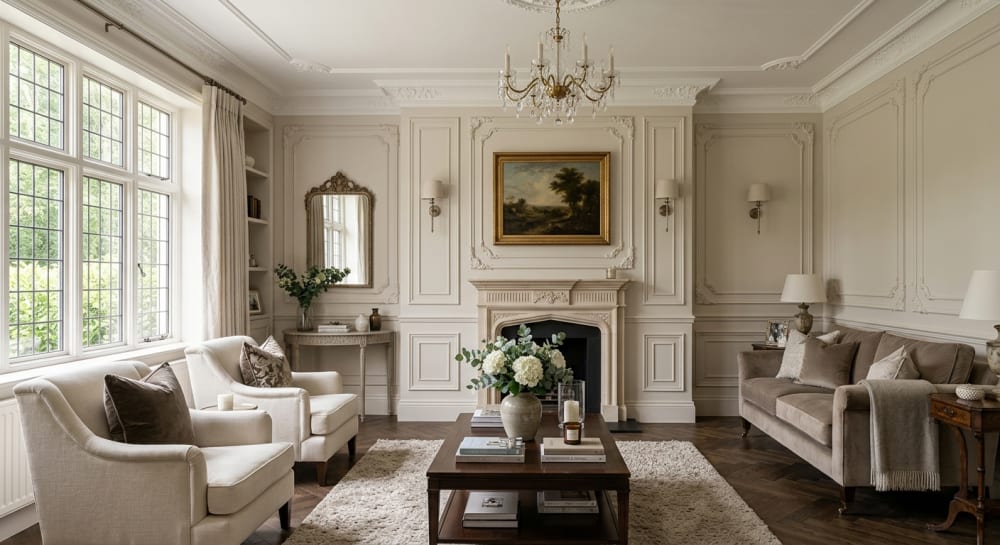
Wall design plays an important role in shaping the atmosphere of a home. While paint, furniture, and lighting often receive the most attention, small architectural details can make an equally strong impression. Decorative molding is one such feature, adding depth, structure, and character to walls without requiring a complete renovation. With the right decorative wall molding, homeowners can create interiors that feel timeless, modern, or somewhere between the two.
Understanding Classic and Contemporary Molding Styles
Classic interiors often feature symmetry, balanced proportions, and elegant architectural details. Traditional molding profiles with curved edges, raised patterns, and refined ornamentation complement these spaces beautifully. They work especially well in living rooms, formal dining areas, bedrooms, and hallways where a sophisticated atmosphere is desired.
Contemporary interiors usually favor simplicity, clean lines, and uncluttered surfaces. Straight-edged molding profiles and understated designs can introduce structure without making a room feel overly decorative. When painted in the same color as the wall, these moldings create subtle shadows and texture while maintaining a minimalist appearance.
The key is to choose a profile that reflects the overall character of the room rather than selecting a design based on appearance alone.
Choosing the Right Profile for Your Walls
The size and shape of a molding profile can significantly influence the final result. Wide, elaborate moldings may suit spacious rooms with high ceilings, while slimmer profiles often work better in smaller spaces. Choosing a proportion that matches the room helps maintain visual balance.
Wall height is another important consideration. In rooms with high ceilings, larger decorative elements can make empty wall surfaces feel more complete. In rooms with lower ceilings, narrower moldings and vertically arranged panels can create a sense of height.
It is also worth considering the existing architectural features. Door frames, window casings, ceiling moldings, and baseboards should complement the chosen wall design. They do not need to match perfectly, but their proportions and styles should feel consistent.
Creating Attractive Wall Panels
Wall paneling is a popular way to introduce decorative molding into both traditional and modern interiors. Rectangular frames can divide a large wall into organized sections, creating visual interest without adding bulky furniture or complicated finishes.
For a classic look, symmetrical panels with carefully selected proportions can bring elegance and order to the room. Adding a contrasting paint color or a soft neutral shade inside the frames can enhance the effect.
For contemporary spaces, simple rectangular layouts with minimal ornamentation provide a more restrained appearance. Larger panels with generous spacing can make a room feel open and sophisticated.
Before installation, measure the wall carefully and plan the arrangement around furniture, windows, doors, and electrical outlets. A balanced layout is usually more attractive than one that fills every available space.
Selecting Materials and Finishes
Material choice affects durability, installation, and the overall appearance of decorative molding. Polyurethane options are popular because they are lightweight, easy to handle, and suitable for creating detailed profiles. They can also be painted to coordinate with different interior color schemes.
Finishing deserves equal attention. White molding against a darker wall creates a noticeable contrast, while tone-on-tone combinations offer a quieter, more integrated effect. Soft beige, warm gray, muted green, and other neutral shades can help decorative details blend naturally with the surrounding interior.
For a contemporary room, a consistent wall color often emphasizes the molding's shape through light and shadow rather than strong color differences.
Avoiding Common Design Mistakes
One common mistake is choosing molding that is too elaborate for the room. Excessive ornamentation can overwhelm a simple interior, while very narrow profiles may look insignificant on large walls. Another issue is ignoring spacing, which can make wall panels appear uneven or crowded.
It is also important to consider the entire room before finalizing a design. Molding should complement furniture, flooring, lighting, and other decorative elements instead of competing with them.
Final Thoughts
Choosing the right decorative molding requires a balance between personal taste, architectural style, and practical proportions. Classic interiors benefit from elegant profiles and symmetrical layouts, while contemporary spaces often look best with clean lines and subtle details. By considering wall dimensions, materials, finishes, and existing features, homeowners can create attractive walls that remain appealing for years. A carefully planned molding design adds character to a room while allowing the rest of the interior to feel harmonious and complete. How to Combine Molding Profiles in Layered Wall Compositions
#PolyurethaneMolding #ClassicInteriors #AccentWall